If someone asked you to think of an autistic person, who would come to mind?
The world’s richest man, Elon Musk?
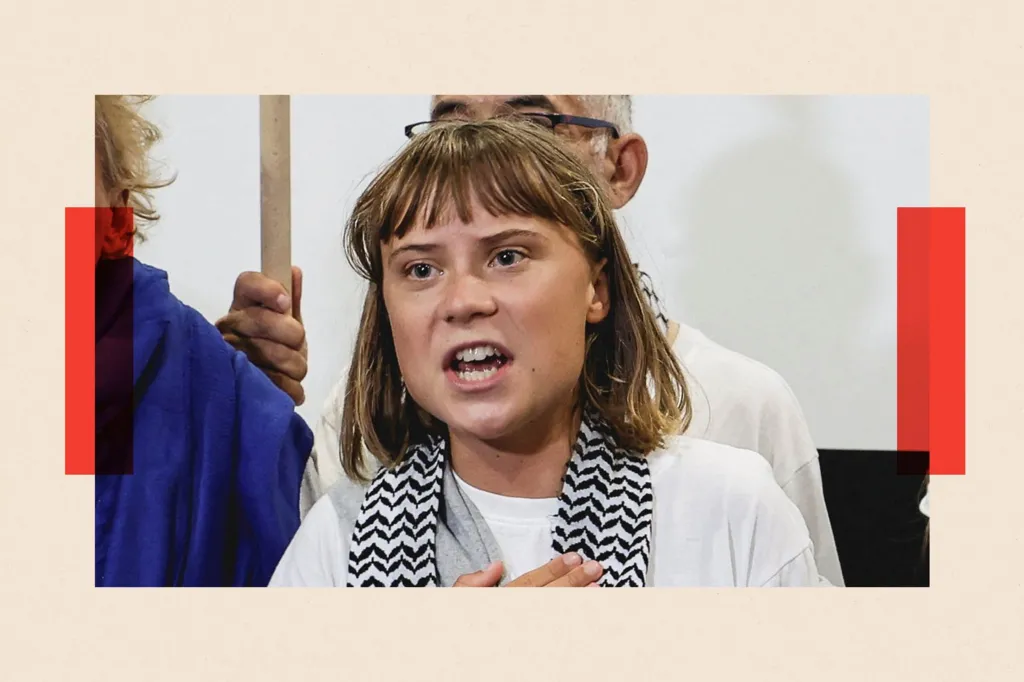
Maybe Greta Thunberg, who says being different can be a superpower.
Or Robbie Williams, who has recently revealed he’s found out that he has “a bit of autism”.
What about someone like 34-year old James Fitzpatrick? He doesn’t talk, has a learning disability and needs constant care.
A diagnosis of Autism Spectrum Disorder (ASD) means someone has certain core characteristics including differences in how they communicate and behave. It’s an umbrella term that includes people with very different experiences.
In recent years there has been an explosion in the number of people with an autism diagnosis on their GP record. In England, it has gone from just over 700,000 three years ago to around 1.1 million today.
The National Autistic Society (NAS) says “evidence suggests there is a significant underdiagnosis of autism, particularly among women and older people”.
Listen to more on BBC Sounds
The Autism Curve
Dr Monique Botha, an associate professor of psychology at Durham University, criticised Dame Uta’s opinion using swear words.
Botha is autistic and stands by her reaction: “A lot of people were understandably upset and angry… I still am.
“Researchers have a duty to be a bit more blunt and upfront about how damaging these kinds of things can be.”
Botha feels that Dame Uta’s ideas add to a narrative that “there’s some magical easy autism where you’re just quirky, where everything in your life will eventually work out, and you’re just using this as a crutch so that you can feel special, and it trivialises the reality of a whole bunch of people”.
Botha says autistic people are united by key features: sensory sensitivity, a need for predictability, intense interests and struggles with communication.
“That doesn’t mean that we will h